
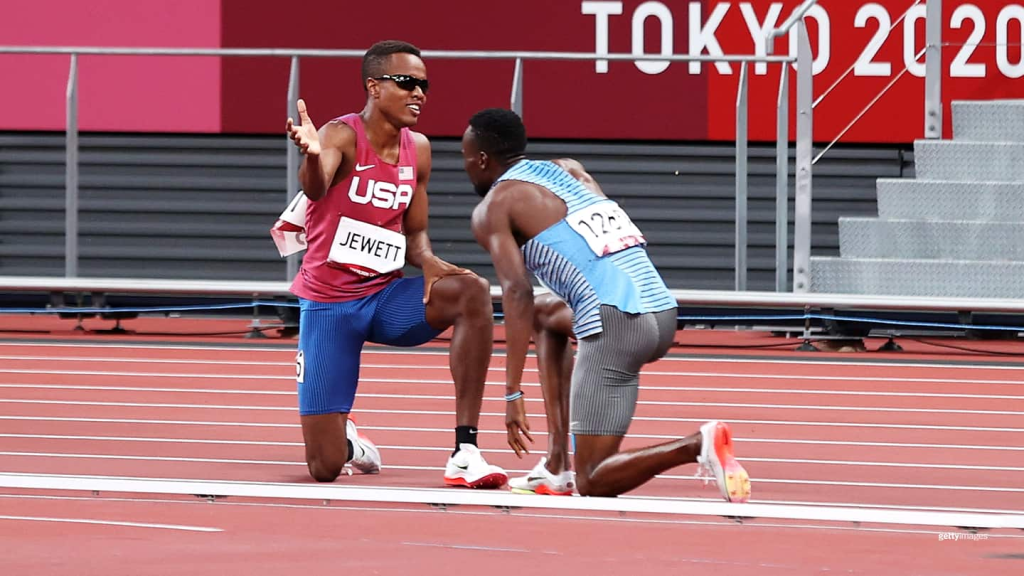
Sportsmanship has always been one of the most admired values in the world of athletics. However, in the modern era, the concept of sportsmanship has evolved beyond fair play and respect for opponents. Today, it encompasses integrity, inclusivity, emotional control, and even digital presence. Athletes no longer just compete for victory but also represent values that inspire society. Understanding this evolution helps us see how sports continue to shape culture and character on a global scale.
The Traditional Foundation of Sportsmanship
Historically, sportsmanship was defined by qualities such as honesty, respect, and fairness. These values were often emphasized by coaches, parents, and sports organizations as the core principles of every game. Winning was important, but how one played was considered even more significant. Athletes were expected to uphold respect for rules and treat opponents as partners in competition rather than enemies.
This classical view created a foundation for character building through sports. For many, the lessons learned on the field—discipline, teamwork, and humility—became essential values that influenced their personal and professional lives.
The Influence of Technology on Modern Sportsmanship
In the digital age, technology has transformed how athletes train, perform, and interact with fans. Social media platforms now give players a direct voice, allowing them to communicate, advocate, and inspire. However, this also introduces new challenges for sportsmanship. Athletes are expected to maintain professionalism both on and off the field, as one careless post can damage their reputation.
At the same time, technology has made sports more transparent. Video replays, data analytics, and AI-driven judging systems help ensure fairness and accuracy in results. This promotes a new dimension of integrity, where decisions are based less on human bias and more on objective analysis.
Inclusivity and Diversity in the New Era of Sportsmanship
Another major shift in modern sportsmanship is the growing emphasis on inclusivity. Sports organizations around the world are now creating safer and more welcoming spaces for athletes of all genders, backgrounds, and abilities. The spirit of sportsmanship today is no longer just about competition—it’s about equality and respect for diversity.
The rise of adaptive sports and female representation in previously male-dominated fields highlights this transformation. This inclusive approach encourages broader participation and helps reshape how society views strength, resilience, and achievement.
Mental Health and Emotional Balance
The pressure to perform has never been higher, and with that comes a stronger awareness of mental health in sports. Modern sportsmanship now includes empathy—not only toward others but also toward oneself. Athletes who speak openly about mental health challenges are changing the narrative that strength is purely physical.
This evolution encourages balance and emotional intelligence as part of being a true sportsman. It shows that greatness comes not from suppressing emotions but from managing them wisely to sustain long-term success.
Redefining Greatness in the Modern Sports World
The meaning of “greatness” in sports has expanded. It’s no longer just about breaking records or winning championships—it’s about impact. Athletes today are role models who influence social movements, advocate for justice, and inspire global audiences. Greatness is defined by how one uses their platform to make a difference beyond the game itself.
From charitable foundations to social awareness campaigns, modern athletes have redefined what it means to be a champion. Their success is measured not only in medals but also in the positive change they bring to others.
Conclusion
The evolution of sportsmanship reflects how sports continue to adapt to the changing world. From traditional respect and fairness to digital responsibility and mental well-being, the values of sports have grown richer and more relevant. True greatness in sports today lies not only in physical performance but in the ability to embody integrity, inclusivity, and empathy.
As we chase greatness in this modern age, the essence of sportsmanship remains timeless—it’s about striving to be better, not just as athletes but as human beings.